
Japanese wax melts are more than just a decorative addition; they represent a meticulously crafted aesthetic rooted in centuries of design philosophy. From the subtle color palettes echoing traditional Japanese art to the carefully chosen fragrances evoking specific moods, these melts offer a unique sensory experience. Their appeal lies in the intricate details and the cultural significance woven into each meticulously designed product.
This exploration delves into the core elements of the Japanese wax melt aesthetic, examining its historical context, material choices, and the carefully considered sensory experience intended. It also contrasts this unique approach with other contemporary wax melt aesthetics, highlighting its distinctive qualities and market trends.
Defining the Aesthetic
The Japanese wax melt aesthetic, a burgeoning trend, blends traditional Japanese design principles with the contemporary appeal of scented wax melts. This aesthetic is characterized by a focus on minimalist elegance, natural materials, and subtle, evocative scents, creating a tranquil and immersive sensory experience. This approach transcends mere decoration, offering a subtle connection to Japanese culture through the art of fragrance.This unique aesthetic draws inspiration from the principles of侘び寂び (wabi-sabi)*, a philosophy emphasizing the beauty of imperfection, impermanence, and the natural world.
This translates to products that are intentionally unpretentious, yet imbued with a deep sense of artistry. The subtle, often natural scents reflect a respect for the environment and a connection to the natural world.
Core Characteristics
The core characteristics of the Japanese wax melt aesthetic hinge on a thoughtful approach to design, materials, and fragrance. It prioritizes simplicity and functionality, mirroring the Japanese emphasis onma* (emptiness or space) which allows for a focus on the subtle beauty within. The overall impression is one of calm and tranquility, drawing the user into a moment of quiet contemplation.
Visual Elements
Common visual elements include minimalist shapes, natural textures, and subdued color palettes. The use of natural materials, such as bamboo or wood accents, further reinforces the connection to nature. Geometric patterns, often inspired by traditional Japanese art forms like
kintsugi* (the art of repairing broken pottery with gold), are subtly incorporated into the design.
Color Palettes
The color palettes typically feature muted tones, reflecting the Japanese appreciation for subtlety. Earthy tones like warm browns, deep greens, and soft grays are prevalent. Accents of lighter colors, such as pale pinks, soft blues, or gentle lavenders, are used sparingly to create visual interest without overwhelming the design. These color choices evoke a sense of serenity and harmony.
Patterns and Textures
Subtle patterns and textures play a key role in Japanese aesthetics. Floral patterns, inspired by traditional Japanese flower arrangements (*ikebana*), might be incorporated, but with a delicate touch. Natural textures, such as the subtle grain of bamboo or the smooth finish of a ceramic base, are often highlighted to emphasize the natural beauty of the materials. These textures evoke a sense of warmth and connection to the natural world.
Japanese Design Principles
Several key Japanese design principles are applied to wax melts.
- Wabi-sabi* influences the acceptance of imperfections and the beauty of natural aging, leading to designs that are intentionally unrefined.
- Monochromatic palettes* and
- minimalist shapes* minimize distractions, creating a calm and focused atmosphere. The use of natural materials such as bamboo, wood, and ceramic aligns with the reverence for nature, often found in Japanese design. Furthermore,
- shoji* (paper screens) and other traditional elements, like delicate floral motifs, are often incorporated, evoking a sense of serene elegance.
Cultural Influences
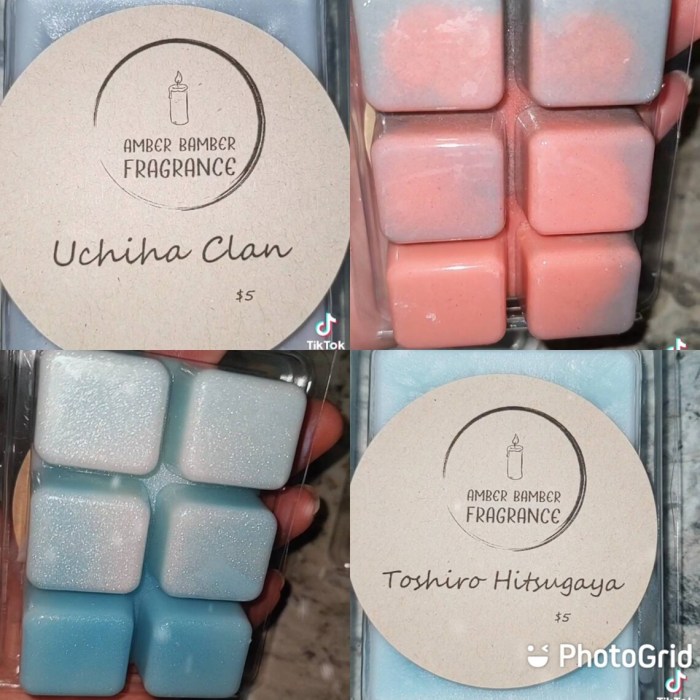
The Japanese wax melt aesthetic draws deeply from the nation’s rich history and cultural traditions, translating artistic sensibilities and philosophical principles into fragrant, tactile experiences. This fusion of artistry and aroma creates a unique aesthetic that resonates with consumers seeking a connection to a sophisticated and refined world.The aesthetic is not simply a reproduction of traditional Japanese motifs but a modern interpretation, blending historical elements with contemporary design sensibilities.
This thoughtful integration allows the aesthetic to maintain its cultural roots while appealing to a wider audience.
Historical and Cultural Contexts
Japanese culture has a long history of valuing aesthetics, meticulous craftsmanship, and the harmonious integration of nature into daily life. This emphasis on beauty and tranquility permeates various aspects of Japanese society, from traditional gardens to tea ceremonies. The meticulous attention to detail, the reverence for natural elements, and the appreciation for subtle beauty are all reflected in the contemporary Japanese wax melt aesthetic.
Role of Japanese Art, Design, and Philosophy
Japanese art, design, and philosophy significantly influence the wax melt aesthetic. Zen Buddhism, with its emphasis on mindfulness, serenity, and the appreciation of simplicity, deeply resonates with the aesthetic’s tranquil and minimalist qualities. Traditional Japanese painting, calligraphy, and woodblock prints, characterized by their use of negative space, delicate lines, and evocative imagery, are frequently seen in the designs of wax melts.
Furthermore, the concept of “wabi-sabi,” embracing imperfection and the beauty of impermanence, is often subtly incorporated into the aesthetic, giving it a unique depth.
Key Symbols and Imagery
The imagery used in Japanese wax melts often draws on traditional Japanese symbols and motifs. These symbols convey cultural narratives and spiritual meanings, adding layers of depth and significance to the aesthetic.
Traditional Japanese Motifs
A range of traditional Japanese motifs are incorporated into wax melt designs, often subtly or in more prominent representations.
- Cherry Blossoms (Sakura): Representing the ephemeral beauty of spring, cherry blossoms are a popular choice, often depicted in delicate pastel colors or in stylized representations. The transient nature of the blooms speaks to the beauty of impermanence, a core concept in Japanese aesthetics.
- Bamboo: Known for its strength and resilience, bamboo symbolizes strength, flexibility, and adaptability. The tall, slender forms of bamboo are often incorporated into the design to evoke a sense of elegance and serenity. The plant’s ability to grow in various environments also hints at the adaptable nature of the Japanese wax melt aesthetic itself.
- Koi Fish (Koi nobo): Symbolizing good fortune, strength, and perseverance, koi fish are frequently incorporated into wax melts. Their vibrant colors and graceful movements create a sense of dynamism and energy, contrasting with the often-subtle serenity of other motifs. The koi’s journey upstream to reach the pond’s source symbolizes the dedication to reaching one’s goals.
- Geishas: Depictions of geishas, traditional Japanese entertainers, evoke a sense of elegance and artistry. The refined nature of the geisha’s attire and demeanor often translates into the aesthetic of the wax melts, suggesting an appreciation for beauty and grace.
- Lanterns (Chōchin): Representing illumination and guidance, lanterns are often used in wax melts to evoke a sense of tranquility and warmth. The paper or fabric designs of the lanterns, often featuring intricate patterns, can contribute to the overall aesthetic appeal.
Materials and Techniques
Japanese wax melts, a burgeoning trend in home fragrance, showcase a unique blend of artistry and tradition. Their appeal stems not only from the captivating scents but also from the meticulous craftsmanship that goes into their creation. The materials and techniques employed in producing these delicate pieces contribute significantly to the aesthetic and sensory experience.Japanese wax melts often leverage specific wax types and fragrances to achieve desired effects, incorporating traditional Japanese aesthetics into the design and presentation.
This meticulous approach reflects a dedication to quality and detail, crucial in the development of a distinct aesthetic.
Wax Types
The selection of wax significantly influences the melt’s performance and visual appeal. Soy wax, known for its clean burning and sustainable properties, is a popular choice. Beeswax, a natural alternative, lends a subtle honeyed aroma and a slightly translucent quality. Paraffin wax, while more readily available, may produce a more intense scent but is less sustainable. The choice often depends on the desired aesthetic and the balance between fragrance intensity and environmental considerations.
Fragrance Profiles
Fragrances in Japanese wax melts frequently draw inspiration from natural elements. Floral scents like cherry blossom or plum blossom are common, evoking a sense of serenity and elegance. Green tea or bamboo fragrances can contribute a sense of calm and sophistication. Gourmet blends like matcha or yuzu add a layer of complexity and intrigue. The selection of fragrances directly influences the overall sensory experience, contributing to the aesthetic appeal.
Molding and Pouring Techniques
Japanese wax melt design frequently utilizes intricate molds to achieve the desired shape and texture. Hand-poured melts often showcase a unique, artisan-crafted aesthetic, with subtle variations in the melt’s surface, reflecting the handmade touch. Machine-made wax melts, while often more uniform, can achieve complex patterns and designs with precision. The technique employed can significantly impact the visual impact, from smooth surfaces to textured finishes.
Layering Techniques
A layering technique is sometimes employed to enhance the visual appeal and depth of the wax melt. This approach can involve layering different wax colors or incorporating decorative elements. These layered effects can evoke a sense of depth and dimension, enhancing the artistic appeal of the final product. The use of different colors can be coordinated with the fragrance, creating a cohesive and balanced aesthetic.
Hand-Poured vs. Machine-Made
Hand-poured wax melts, crafted by artisans, often have a unique aesthetic appeal, showcasing slight variations in color and texture. This handmade quality is prized by many. Machine-made wax melts, on the other hand, achieve consistency and precision in the melt’s form, making it ideal for mass production. The choice between hand-poured and machine-made frequently depends on the desired balance between craftsmanship and efficiency.
Materials and Visual Impact
| Material | Visual Impact |
|---|---|
| Soy wax | Smooth, clean finish, often translucent, allowing for a subtle display of color or fragrance. |
| Beeswax | Slightly translucent, with a warm honeyed tone, contributing to a natural, elegant aesthetic. |
| Paraffin wax | Solid, consistent color, and a wide variety of colors available, allowing for a strong visual statement, potentially more intense scent. |
| Intricate molds | Complex shapes and patterns that complement the fragrance and overall aesthetic. |
| Layered designs | Depth and dimension to the wax melt, visually engaging and sophisticated. |
Sensory Experiences
Japanese wax melts, a burgeoning market segment, are meticulously crafted to evoke a multifaceted sensory experience, transcending mere fragrance. This deliberate design prioritizes the interplay of scent, sight, and touch, drawing heavily on traditional Japanese aesthetics. The goal is to transport the user to a serene and contemplative space, fostering a sense of tranquility and connection with nature.
Scent Selection and Presentation
Japanese aesthetics deeply influence the selection of scents and their presentation in wax melts. Fragrances often evoke natural imagery, emphasizing subtle, delicate notes rather than overpowering aromas. Common themes include the fresh scent of blooming cherry blossoms, the earthy tones of cedarwood, or the calming essence of bamboo. The subtle blending of notes creates a harmonious fragrance profile, mirroring the concept ofwabi-sabi*, embracing imperfections and appreciating the natural world.
The presentation often includes minimalist packaging and muted color palettes to further enhance the serene atmosphere.
Visual Aesthetics
The design and color palette of Japanese wax melts play a crucial role in the overall sensory experience. Shapes often mimic natural forms, such as flowing water or delicate flowers, emphasizing elegance and simplicity. Color palettes typically feature muted tones inspired by Japanese gardens, incorporating soft pastels and earthy hues. These subtle colors create a calming visual backdrop, enhancing the tranquil atmosphere.
The use of translucent wax allows the intricate patterns and colors to subtly shift and shimmer, further adding depth and visual interest.
Tactile Experience
The tactile experience of Japanese wax melts complements the overall sensory journey. The smooth, even texture of the melted wax provides a calming sense of touch. The careful craftsmanship and attention to detail in the melt’s creation are evident in the smooth and even surface, adding a sense of tactile refinement. The lightweight nature of the melts contributes to a feeling of effortless elegance.
Scent and Mood Correlation
| Scent | Associated Mood |
|---|---|
| Cherry Blossom | Tranquil, peaceful, celebratory, and evocative of springtime |
| Bamboo | Calming, serene, and grounding, evoking a sense of quiet contemplation |
| Cedarwood | Earthy, grounding, and restorative, reminiscent of forests and mountain air |
| Jasmine | Elegant, sophisticated, and evocative of a sense of quiet luxury and grace |
| Green Tea | Fresh, invigorating, and subtly sophisticated, evoking a feeling of clarity and focus |
The table above illustrates the correlation between common Japanese scents and their associated moods. The subtle notes and delicate balances in these fragrances contribute to the calming and contemplative atmosphere. The subtle nuances within these scents further enhance the overall sensory experience, aligning with the principles of – wabi-sabi*.
Product Design and Presentation
Japanese wax melts, a burgeoning luxury market segment, often prioritize aesthetic harmony and craftsmanship. Their design, from the delicate forms to the evocative packaging, speaks to a deep-rooted cultural appreciation for beauty and serenity. This careful consideration extends beyond mere practicality, aiming to enhance the overall sensory experience and elevate the product to a piece of art.The design of Japanese wax melts often reflects traditional Japanese aesthetics.
Curvilinear shapes, inspired by nature, are common, and delicate floral or minimalist motifs are frequently incorporated. The emphasis is on creating a sense of tranquility and understated elegance, rather than ostentatious displays of wealth. These design choices are not arbitrary but are deeply ingrained in the cultural preference for serene beauty.
Typical Shapes, Sizes, and Forms
Japanese wax melts often feature organic forms, evoking natural elements like blossoms, leaves, or flowing water. Sizes vary, from miniature, decorative pieces to larger, more substantial options meant for creating a stronger ambiance. The selection of materials also plays a crucial role in defining the product’s visual characteristics. Hand-carved forms, using natural materials like bamboo or wood, contribute to the overall artisanal aesthetic.
This meticulous approach is reflected in the precision of the molds and the care taken in each step of the manufacturing process.
Packaging and Presentation Techniques
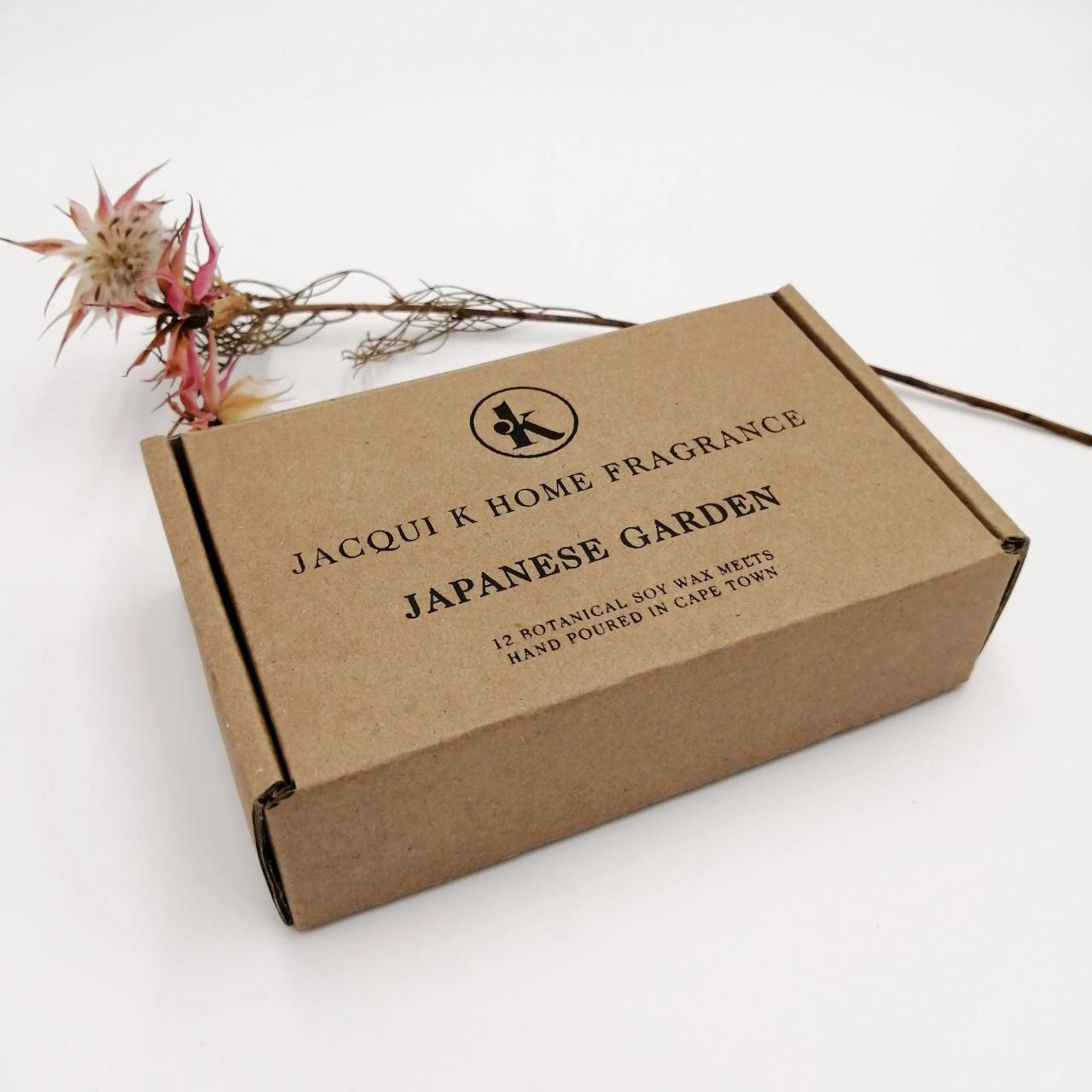
The packaging of Japanese wax melts is as important as the product itself. Presentation is key to the overall experience. Elegant, minimalist packaging, often incorporating natural materials like kraft paper or bamboo, is prevalent. The use of subtle, muted color palettes, inspired by traditional Japanese aesthetics, is common, contributing to the calming and sophisticated atmosphere. Embellishments like delicate calligraphy or subtle illustrations of traditional Japanese imagery add an extra layer of cultural depth.
Presentation Styles and Visual Appeal
| Presentation Style | Impact on Visual Appeal |
|---|---|
| Individual Vessels | Each melt sits in its own small, elegant vessel, often crafted from ceramic or glass, creating a sense of curated artistry. The varying shapes and colors of the vessels elevate the visual interest. |
| Crafted Trays | Melts are arranged on handcrafted wooden or bamboo trays, allowing for a display that mimics the artistry of traditional Japanese tea ceremonies. The natural materials complement the organic shapes of the melts. |
| Floating Display | Melts are suspended in a transparent, geometric glass or acrylic display case, allowing the intricate details of the melt’s design to be fully appreciated. The transparency creates a sense of lightness and refinement. |
| Minimalist Displays | Melts are presented on a simple, neutral backdrop, highlighting the form and aesthetic of the melt itself. This approach emphasizes the design and craftsmanship. |
These diverse presentation styles highlight the craftsmanship and unique design elements of each Japanese wax melt, ensuring a visual appeal that resonates with the target audience’s appreciation for aesthetic elegance.
Market Trends and Consumer Preferences
The Japanese wax melt market is experiencing a surge in popularity, driven by a confluence of factors including a growing interest in aromatherapy and home wellness, coupled with the desire for aesthetically pleasing home décor. This burgeoning market is attracting significant attention from both established and emerging players, prompting keen analysis of consumer preferences and market trends.This analysis will delve into the current trends shaping the Japanese wax melt market, exploring the underlying factors influencing consumer preferences, and examining how these forces are reshaping production and design.
It will also project potential future market developments, considering the impact of these evolving trends.
Current Market Trends
The market for Japanese wax melts is witnessing a strong emphasis on natural and sustainable materials, a reflection of broader global trends. Consumers are increasingly seeking out products that align with their values, emphasizing environmentally friendly production and ingredients. This trend is evident in the rising popularity of soy wax blends and natural essential oil diffusers, showcasing a shift towards more mindful consumption.
Additionally, the focus on unique and intricate designs is another noteworthy aspect, with intricate craftsmanship and artistic detailing becoming key selling points. Japanese wax melts are increasingly being integrated into curated home décor schemes, reflecting a broader desire for aesthetically pleasing and personalized spaces.
Factors Influencing Consumer Preferences
Several factors are influencing consumer preferences for Japanese wax melts. The aesthetic appeal of Japanese design, including minimalist aesthetics, intricate patterns, and calming color palettes, is a significant driver. This aesthetic resonates deeply with consumers seeking tranquility and visual harmony in their homes. Furthermore, the perceived quality and craftsmanship associated with Japanese products contribute to their allure.
The use of high-quality materials, attention to detail, and the traditional techniques employed in their creation are highly valued by consumers. Finally, the growing interest in aromatherapy and wellness practices is influencing the selection of scents and blends, pushing for natural and calming fragrances that evoke a sense of well-being.
Impact on Production and Design
These trends are directly impacting the production and design of Japanese wax melts. Manufacturers are responding to the demand for sustainable materials by incorporating eco-friendly options like soy wax and natural essential oils into their formulations. Designers are focusing on creating intricate and artistic designs, reflecting the aesthetic preferences of consumers seeking unique and captivating pieces. The integration of Japanese craftsmanship into the design process is gaining prominence, with manufacturers emphasizing hand-crafted details and unique patterns.
These elements contribute to the perceived value and desirability of the products, reinforcing the trend towards premium offerings.
Future Market Projections
The Japanese wax melt market is poised for continued growth, driven by the ongoing trend of prioritizing well-being and home décor. The increasing integration of technology, such as smart diffusers and personalized fragrance profiles, is expected to further enhance the market’s appeal. The future will likely see even greater emphasis on sustainable practices, unique designs, and high-quality craftsmanship.
The market is projected to attract new entrants focused on specific niche segments, like aromatherapy-focused wax melts or limited-edition collections, further expanding the market’s diversity and appeal. Companies that effectively integrate these trends into their products and marketing strategies will be well-positioned for success.
Comparisons with Other Aesthetics
Japanese wax melts are carving a niche in the burgeoning home fragrance market, drawing inspiration from a rich cultural heritage. This aesthetic stands apart from other popular styles, particularly the Scandinavian and minimalist approaches, offering a unique blend of natural materials, intricate design, and profound symbolism. Understanding these distinctions allows for a clearer comprehension of consumer preferences and market opportunities within this rapidly evolving sector.The core difference lies in the underlying philosophies that shape each aesthetic.
While Scandinavian and minimalist wax melts often emphasize simplicity and functionality, the Japanese aesthetic delves deeper into the concept of serenity, harmony, and the connection between nature and the human spirit. This philosophical underpinning translates directly into the design, materials, and overall sensory experience of Japanese wax melts.
Key Differences and Similarities
The Scandinavian aesthetic, rooted in Nordic design principles, typically emphasizes clean lines, natural materials like wood and stone, and a muted color palette. Minimalist aesthetics, in contrast, prioritize simplicity and functionality, often employing geometric shapes and a neutral color scheme. While these styles share a preference for understated elegance, the Japanese approach infuses these elements with a deeper cultural context, including traditional patterns, natural motifs, and symbolic imagery.
For example, cherry blossoms represent ephemeral beauty, while bamboo signifies strength and resilience. This subtle layering of meaning sets Japanese wax melts apart.
Unique Characteristics of the Japanese Aesthetic
The Japanese wax melt aesthetic is characterized by a harmonious blend of traditional Japanese design elements and modern craftsmanship. The use of natural materials, such as bamboo, wood, and silk, is central to this aesthetic. Intricate patterns inspired by traditional Japanese art forms, like Ikebana (flower arranging) and calligraphy, are often incorporated into the design. Furthermore, the focus on natural color palettes, often incorporating muted tones of green, brown, and grey, evokes a sense of tranquility and connection with nature.
Consumer Choice Implications
The distinctive characteristics of the Japanese aesthetic may resonate with consumers seeking a more profound sensory experience than the simpler, more functional approaches of Scandinavian or minimalist wax melts. Consumers drawn to Japanese aesthetics may value the cultural symbolism and emotional depth embedded in the designs. This could lead to a higher perceived value and premium pricing compared to more straightforward alternatives.
Conversely, the more nuanced aesthetic might appeal to a more discerning consumer base, potentially limiting market reach compared to more widely appealing styles. For example, while minimalist aesthetics attract a broad demographic, the symbolic depth of the Japanese style may limit appeal to those less familiar with Japanese culture or symbolism. This insight into consumer preferences will inform strategic marketing approaches for Japanese wax melts.
Illustrative Examples
Japanese wax melts, drawing inspiration from centuries-old aesthetic traditions, are increasingly popular for their tranquil ambiance and evocative designs. These artisanal creations, often imbued with cultural symbolism, offer a tangible connection to Japanese aesthetics, transforming everyday spaces into serene havens. The meticulous craftsmanship and attention to detail reflect a deep appreciation for beauty and harmony.
Specific Examples of Japanese Wax Melts
Japanese wax melts encompass a diverse range of designs, drawing from various aspects of Japanese culture, from traditional motifs to contemporary interpretations. These examples highlight the meticulous craftsmanship and cultural resonance behind these products.
Example 1: The Sakura Blossom
This wax melt captures the ephemeral beauty of the cherry blossom. Delicate, hand-painted blossoms, each one meticulously detailed, adorn a porcelain-like base. The pastel hues, reminiscent of spring’s arrival, evoke a sense of gentle renewal and serenity. The fragrance is subtly floral, mimicking the sweet scent of cherry blossoms. The smooth, matte finish of the base further enhances the refined aesthetic.
This example reflects the Japanese appreciation for natural beauty and the fleeting nature of life. The subtle fragrance complements the overall calming sensory experience.
Example 2: The Zen Garden
This wax melt embodies the serene spirit of a traditional Japanese Zen garden. The design features meticulously crafted miniature raked gravel pathways, symbolizing the balance between chaos and order. The muted greens and browns mimic the earth, while the soft, earthy fragrance evokes tranquility. The unique presentation, featuring a small, intricately designed ceramic container, creates a miniature Zen space within any room.
The calming fragrance and visual representation create a meditative atmosphere, reflecting the core values of Zen Buddhism.
Example 3: The Bamboo Forest
This example depicts a tranquil bamboo forest, with hand-painted, slender bamboo stalks gracefully rising against a backdrop of soft greys and greens. The wax melt sits in a natural-wood container, further enhancing the connection to nature. The light, woody fragrance mimics the fresh air of a forest, while the visual representation suggests an escape to a serene and tranquil natural setting.
This example captures the Japanese appreciation for nature’s harmony and elegance, fostering a sense of calm and serenity.
Example 4: The Koi Carp
Inspired by the graceful koi carp, this wax melt features a sculpted koi swimming through a stylized pond. The vibrant colours of the carp, along with the shimmering reflections on the water, are carefully rendered. The fragrance is a blend of aquatic notes, creating a sense of calm and movement. The wax melt sits in a clear, glass container, allowing the koi’s intricate details to be fully appreciated.
The example embodies the Japanese cultural symbolism of koi carp as a symbol of strength, perseverance, and good fortune.
Example 5: The Geisha
This wax melt showcases a meticulously detailed representation of a traditional geisha, her elaborate kimono and accessories captured in delicate detail. The fragrance is a blend of traditional Japanese floral and woody notes, complementing the visual appeal. The wax melt sits in a compact, elegant wooden box, emphasizing the traditional artistry. This example highlights the beauty of traditional Japanese artistry and the grace of the geisha, evoking a sense of elegance and cultural appreciation.
Key Features of Illustrative Examples
| Example | Design Elements | Cultural Influences | Sensory Experiences |
|---|---|---|---|
| Sakura Blossom | Delicate hand-painted blossoms, pastel hues, porcelain-like base | Japanese appreciation for natural beauty, spring | Gentle floral fragrance, serenity, renewal |
| Zen Garden | Miniature raked gravel pathways, muted colours, ceramic container | Zen Buddhism, balance, harmony | Earthy fragrance, tranquility, meditation |
| Bamboo Forest | Hand-painted bamboo stalks, natural-wood container | Connection to nature, harmony | Woody fragrance, calmness, escape |
| Koi Carp | Sculpted koi, vibrant colours, clear glass container | Koi as symbol of strength, perseverance | Aquatic fragrance, movement, calm |
| Geisha | Delicate detail, traditional kimono, wooden box | Traditional artistry, geisha grace | Floral/woody fragrance, elegance, cultural appreciation |
Future Directions
The Japanese wax melt aesthetic, with its emphasis on intricate detail, natural motifs, and serene ambiance, is poised for continued evolution. Emerging trends in design and consumer preferences are likely to drive innovation, leading to new and exciting expressions of this aesthetic. Anticipating these shifts will be crucial for designers and manufacturers to stay ahead of the curve and maintain relevance in this growing market.
Potential Design Adaptations
The current emphasis on minimalist designs and natural elements will likely continue, but with a greater exploration of subtle variations. Expect to see a widening spectrum of color palettes, incorporating more muted tones and nuanced shades inspired by traditional Japanese landscapes and seasonal changes. Furthermore, the incorporation of subtle textures, such as embossed patterns or layered finishes, will add depth and visual interest to the products.
These design refinements will maintain the core aesthetic while appealing to a broader range of consumers.
Emerging Materials and Techniques
Innovation in materials and techniques will play a vital role in shaping the future of Japanese wax melts. Biodegradable wax blends, incorporating natural plant extracts or essential oils, are likely to gain traction as environmentally conscious consumers become increasingly prevalent. Moreover, advanced casting techniques, like 3D printing or intricate mold-making, could be employed to produce more complex and elaborate designs, pushing the boundaries of what’s achievable in wax melt artistry.
Technological Integration
The integration of technology will further enhance the sensory experience. Smart wax melt diffusers, equipped with programmable timers and aroma intensity controls, could become increasingly popular. Such technological advancements can offer customized and personalized aromatherapy experiences, potentially aligning with the increasing demand for tailored wellness products. Furthermore, augmented reality (AR) applications could allow customers to visualize how different wax melt designs would appear in their homes before purchase, increasing engagement and confidence in their selection.
Market Expansion and Diversification
The future of the Japanese wax melt market likely involves expansion beyond traditional decorative items. Expect to see the integration of these aesthetic elements into complementary products, such as candles, incense holders, and even home décor accessories. The creation of limited-edition collections, tied to specific seasons or cultural events, will likely remain a popular strategy to keep the market fresh and engaging.
Moreover, collaborations with artists and artisans specializing in traditional Japanese crafts can lead to unique and highly sought-after products. This diversification can attract a broader customer base and further solidify the aesthetic’s position in the market.
Last Recap
In conclusion, the Japanese wax melt aesthetic stands apart with its emphasis on refined design, cultural influences, and a holistic sensory experience. The meticulous attention to detail, from the selection of natural materials to the presentation of the final product, resonates with consumers seeking a unique and meaningful addition to their homes. Future trends suggest continued innovation within this market, with designers likely adapting and refining the aesthetic to further enhance its appeal.
